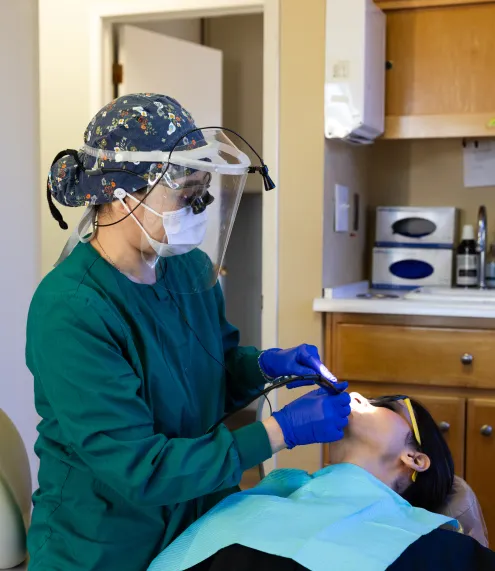
Bringing Smiles Home
At [practice_name], you receive exceptional dental care tailored to your needs, backed by decades of trust in the community. Our experienced [dr_type3] and team deliver evidence-based treatment using advanced tools and technologies to improve precision and comfort. From routine care to restorative, cosmetic, orthodontic and periodontal solutions, we focus on education so you can make informed choices. Call today to schedule your appointment with our [dr_type3] in [city], [state], and learn more!
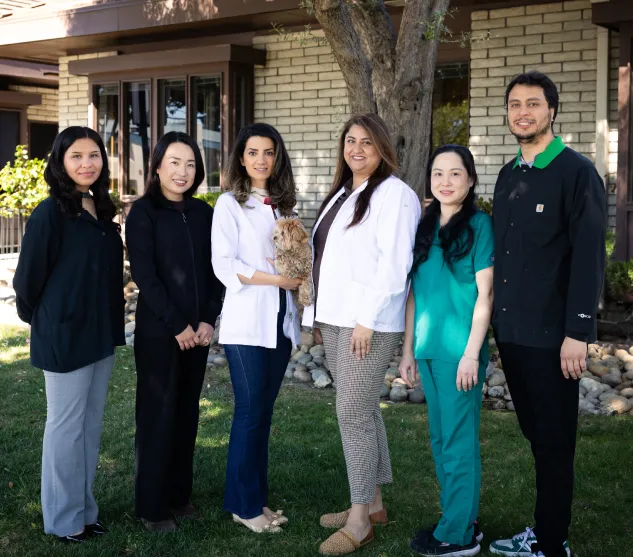
Our Philosophy
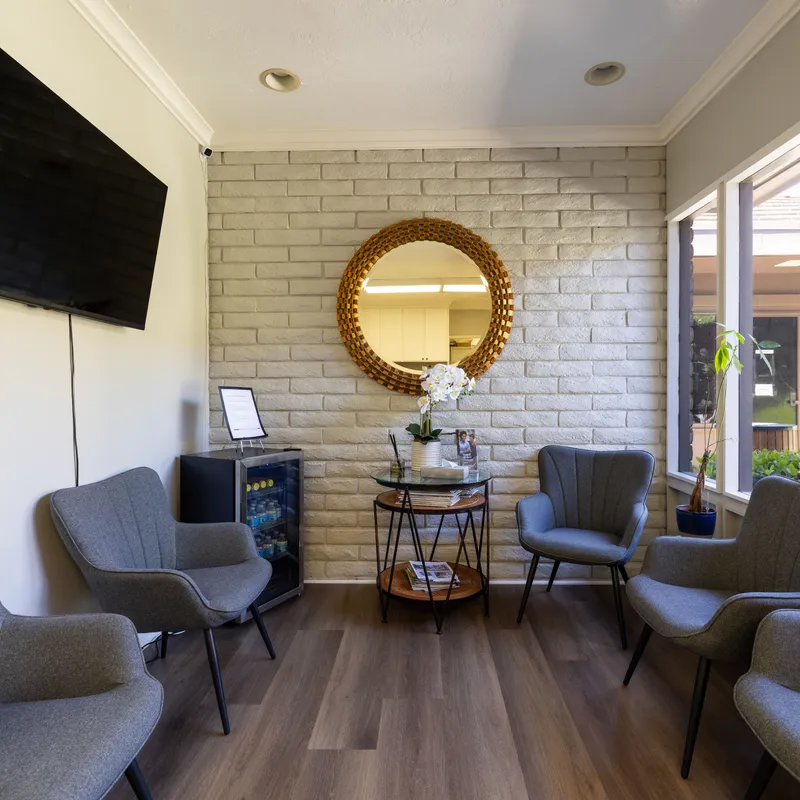
We believe in delivering personalized dental care that centers on your unique needs, goals and comfort. Our [city] [dr_type3] and team take time to listen, explain your options and answer questions clearly. You can expect a welcoming, respectful environment where you feel at ease, supported and treated like family.

Naturally Beautiful Smiles
Enjoy a confident, beautiful smile with precise, confidence-building dental care.

Personalized Care
We listen, educate, and tailor treatment plans to your unique needs.

Elevated Dental Experience
You always come first. Expect respectful communication and genuine care.
State-of-the-Art Technology
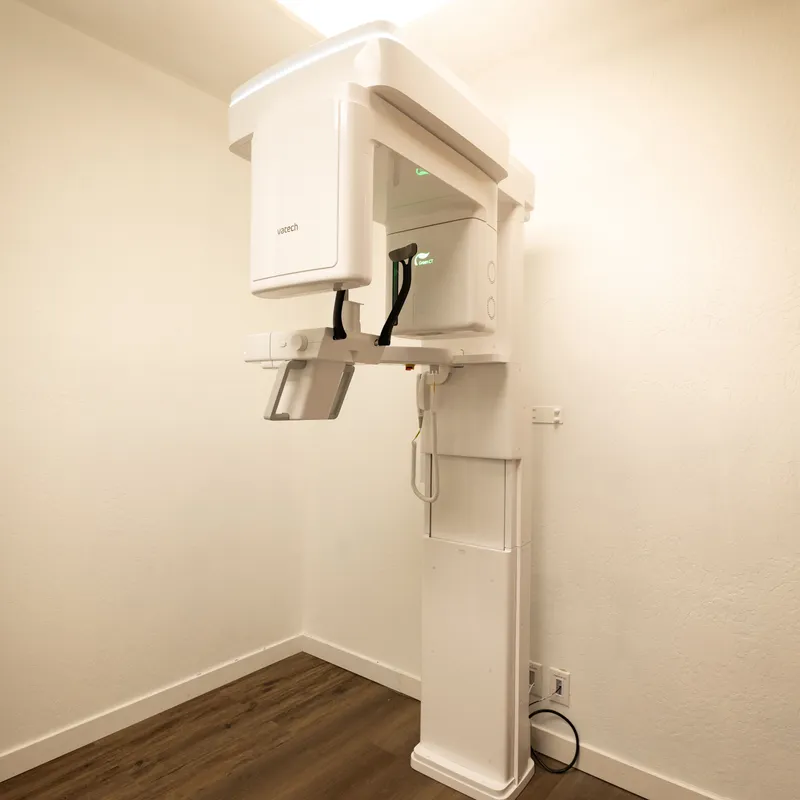
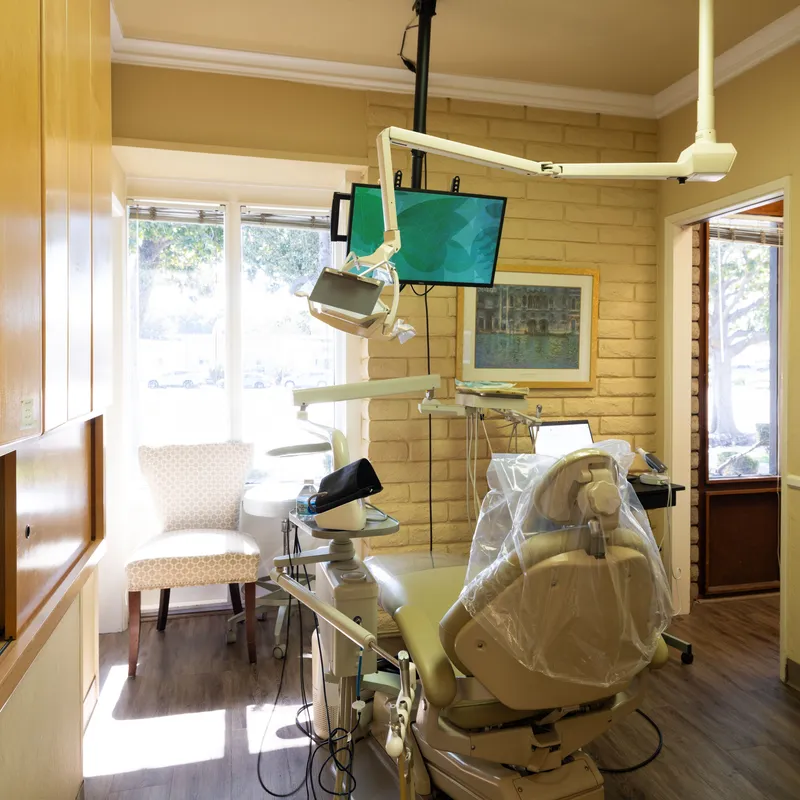
We utilize advanced tools including Cone Beam CT (CBCT), Trios and iTero scanners, AI-powered diagnostics (Overjet), and precision lasers for enhanced accuracy and comfort.
Evidence-Based Dentistry
Our treatment recommendations are grounded in the latest clinical research and proven methodologies, ensuring you receive the most effective care available.
Your Trusted Periodontist
Learn about Dr. Shantia Kazemi's approach to comprehensive periodontal care, advanced implant dentistry, and patient-centered treatment. Discover how our team combines state-of-the-art technology with evidence-based dentistry to deliver exceptional results.
Our Trusted Team
Meet our [city], [st], [dr_type], [dr_type2] and [dr_type3] at [practice_name]! We are dedicated to protecting your smile and long-term oral health, working together to provide coordinated, evidence-based treatment and support every stage of your smile journey. Give us a call today to schedule your consultation!
MEET OUR TEAM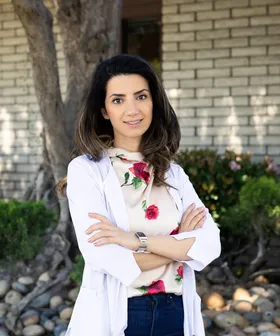
Shantia Kazemi, DDS, MS
Periodontics
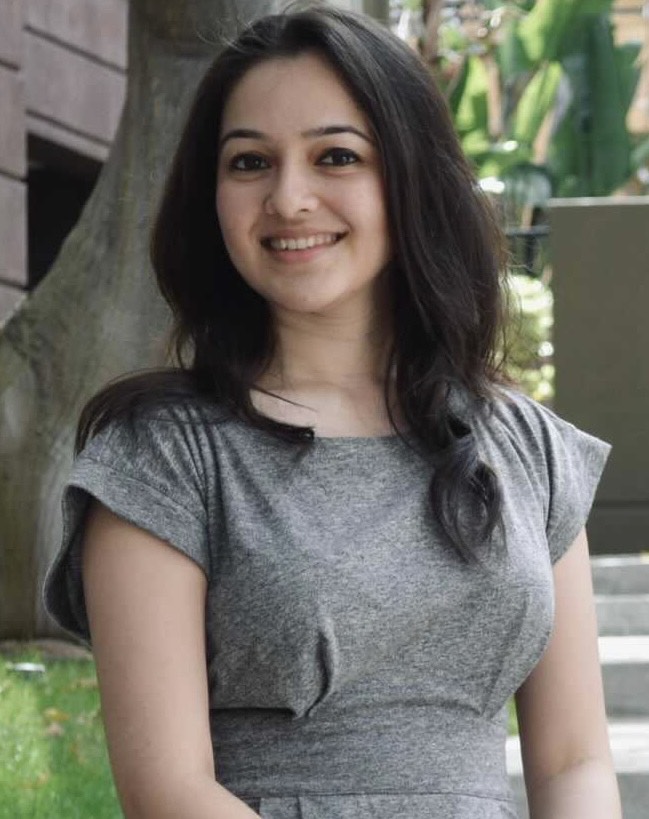
Radhika Mistry, DDS
General Dentistry
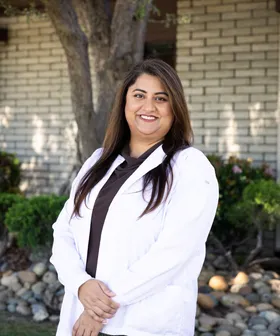
Sneha Mirchandani, DDS
General Dentistry
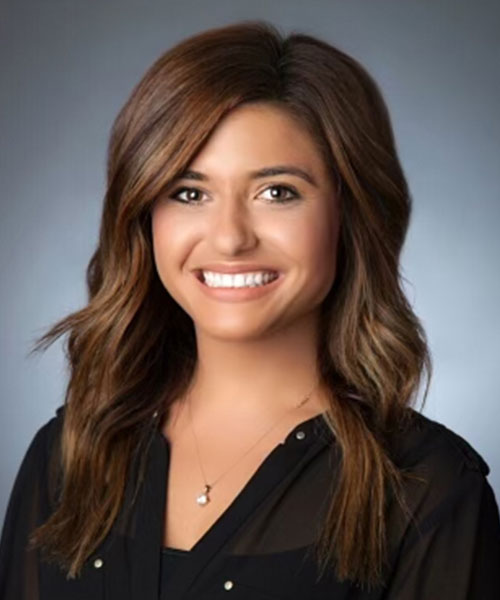
Megan Constant, DDS, MS
Orthodontics
Shantia Kazemi, DDS, MS
Periodontics
Radhika Mistry, DDS
General Dentistry
Sneha Mirchandani, DDS
General Dentistry
Megan Constant, DDS, MS
Orthodontics
Shantia Kazemi, DDS, MS
Periodontics
Radhika Mistry, DDS
General Dentistry
Sneha Mirchandani, DDS
General Dentistry
Megan Constant, DDS, MS
Orthodontics
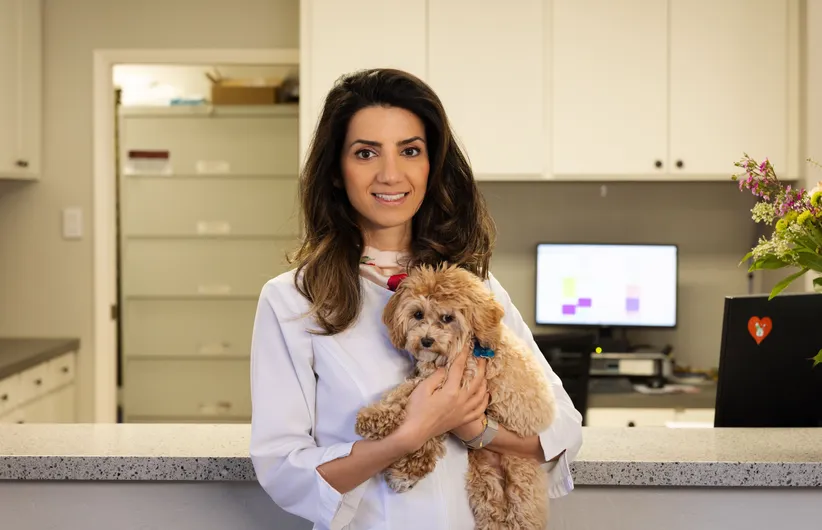
Bringing Joy to Visits
Pumpkin, our office mascot, is here to help your visit feel calmer from the moment you arrive. With a gentle temperament and a friendly wag, Pumpkin brings warmth to the office and helps ease dental nerves for patients of all ages. Many people find that a quick hello, a quiet presence nearby, or a few moments of attention makes the appointment feel less stressful and more personal. Pumpkin is part of our commitment to a welcoming environment where you feel supported, respected and cared for throughout your time with us.
Pumpkin is often near the front to greet patients and offer reassurance. If you would like a little extra comfort, let our team know and we will do our best to have Pumpkin say hello before your appointment begins. Call today to make your appointment with our [dr_type3] in [city], [st], and meet Pumpkin!
MEET PUMPKINComprehensive Dental Services


Smile Gallery
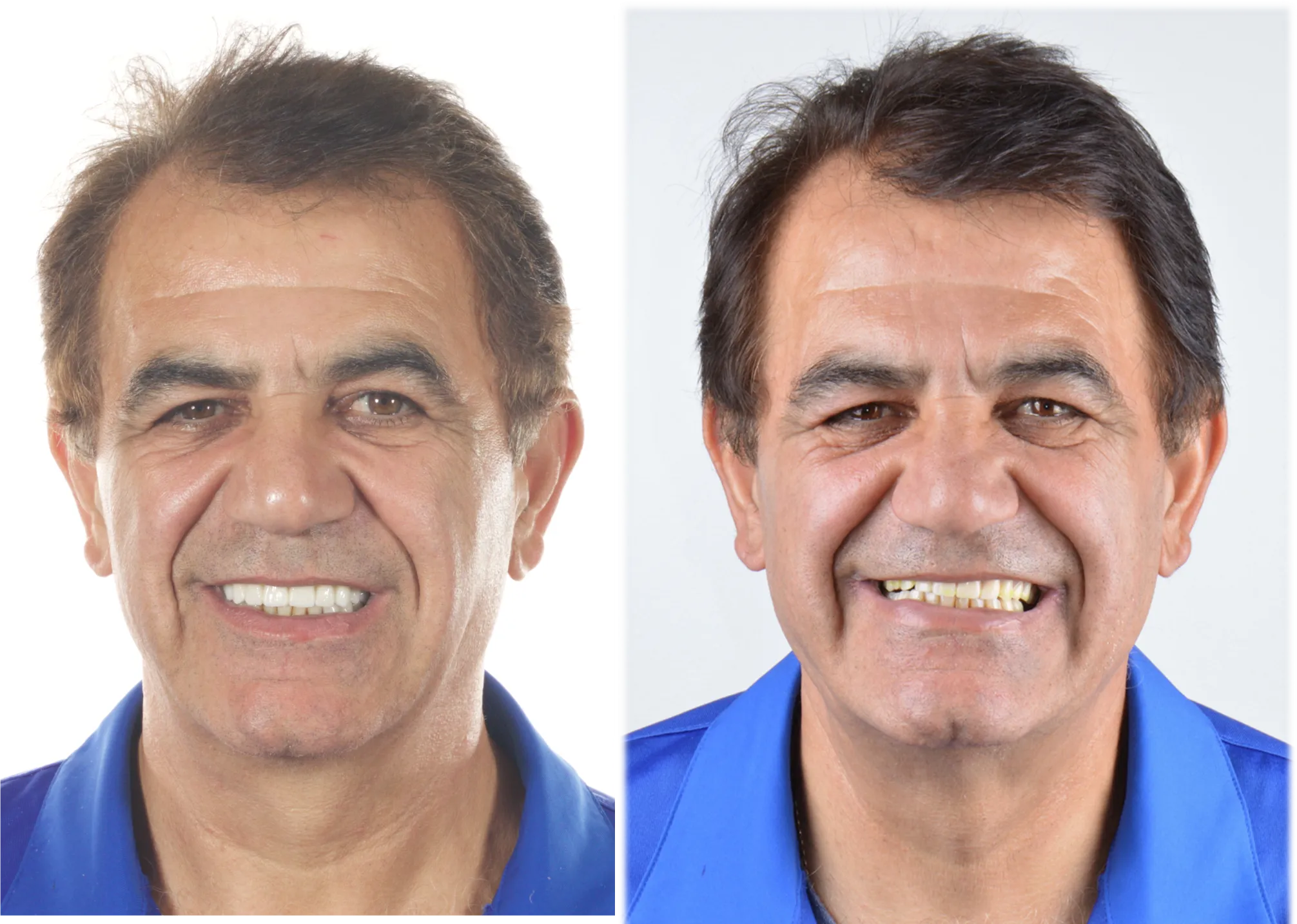
Smile Transformations You Will Love
Explore our smile gallery to see the real results patients have achieved at [practice_name]. Each before-and-after reflects a thoughtful approach to care, where comfort, function and natural aesthetics matter. Whether you are considering dental veneers to refine shape and color, crowns to restore strength and beauty, or implants to replace missing teeth, we focus on precise planning and personalized treatment. These transformations are not only about appearances. They can support better chewing, clearer speech and renewed confidence in everyday moments.
If you are ready to improve your smile, we are here to help. Reach out today to schedule a consultation with our [dr_type3] in [city], [st], and discuss your goals! With evidence-based dentistry and detailed, patient-first care, you can move forward with confidence.
VIEW GALLERYPatient Testimonials
Tour Our Office