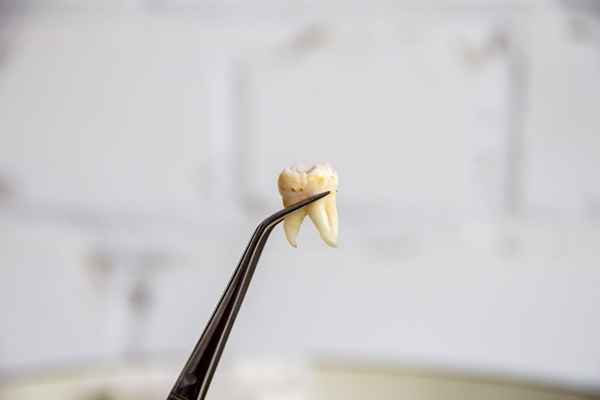
Aftercare Tips Following a Tooth Extraction
are a common dental procedure to remove impacted teeth, address severe damage or decay, or prepare for orthodontic treatment. They can be done in a single appointment and do not take too long to heal from – especially with proper aftercare. Patients can follow a few key aftercare tips to help streamline their healing and recovery.
Tooth extraction aftercare: The basics
The basics of tooth extraction aftercare focus on protecting the extraction site and encouraging proper healing. The first 24 hours are the most important, as this is when the blood clot forms in the socket to begin the recovery process. Patients must avoid dislodging the clot to prevent dry socket and infection. Bleeding will occur but should be minimal and easily managed with gauze. The dentist will review how and when to change the gauze during the extraction appointment.
The general dentistry team will also discuss handling pain and swelling immediately after tooth extraction. These symptoms should subside within a few days. In the meantime, the dentist will either prescribe pain medication or recommend over-the-counter medications.
Tips for a speedy recovery from tooth extraction
While the healing process varies from patient to patient, most can follow a few aftercare tips to promote a fast recovery. These tips include:
Use a cold compress to relieve inflammation
Applying a cold compress to the cheek near the tooth extraction site helps minimize swelling and discomfort. General dentistry teams typically recommend using flat compresses that can be inserted into a head wrap. This keeps the cold compress secure and protects the skin from frostbite. Apply the cold compress in 15-minute intervals, alternating between on and off periods for the first 24 to 48 hours after extraction.
Stick to soft foods for a few days
Eating a soft-food diet helps protect the tooth extraction site and prevent irritation. Foods like mashed potatoes, yogurt, applesauce, and scrambled eggs are gentle on the healing area. Avoid crunchy, chewy, or spicy foods, as they can disrupt the blood clot or irritate the surrounding gum tissue. Gradually reintroduce solid foods as healing progresses and discomfort subsides.
Ditch straws, temporarily
Any suction in the mouth can dislodge the blood clot on the tooth extraction site, leaving it vulnerable to dry socket. Therefore, avoid drinking through a straw for at least a week after extraction. Instead, sip directly from the cup.
Try salt water rinses
After the first 24 hours, rinsing with salt water can reduce the risk of infection, soothe irritated tissue, and remove debris from the extraction site. Mix a teaspoon of salt with a cup of warm water and gently swish the solution around the mouth. Make sure to ask the dentist before trying this tip.
Rest
Last but not least, take time off to rest. This helps the body fully recover and reduces the likelihood of complications like infection. Avoid strenuous activity for the first few days so as to not increase inflammation or bleeding.
Get more information today
Tooth extractions are a common procedure performed in general dentistry. For additional guidance or to address specific concerns, consult our team at Bay Area Dental & Implant Center. We can answer any questions you have about aftercare and healing from a tooth extraction.
Request an appointment here: https://bayareadentalic.com or call Bay Area Dental & Implant Center at (408) 294-6624 for an appointment in our San Jose office.
Check out what others are saying about our dental services on Yelp: .
Related Posts
Do you always get stitches after having a tooth pulled? It’s a simple question with a not-so-simple answer. The truth is, it depends on several factors, from the position of your tooth to the type of procedure our dentist recommends. While we’ll always walk you through the procedure at Bay Area Dental & Implant Center,…
With most dental problems, we know your first thought: How urgent is this, really? Even with a broken tooth, you might wonder how long you can delay care. Should you rush to an emergency dentist, or can it wait a day—or even a week?At Bay Area Dental & Implant Center, we understand. Plus, not every…
Losing a tooth can feel like losing a piece of yourself. Your confidence in your smile might disappear. You could have trouble chewing comfortably. You may even lose your peace of mind. Tooth replacement can be the ticket back to feeling like yourself again. But what happens if gum disease is part of the picture…
At Bay Area Dental & Implant Center, our team sees families from all walks of life every day. Kids come in with their first wiggly teeth. Busy parents juggle schedules to come see us. Grandparents work to keep up with their dental health. Over the years, one thing has become clear: there are some truths…